



There are over 250 million people on the planet that do not live in their own homes due to climate change, fire, floods, wars, conflicts, politics and lack of earning opportunities to support themselves and their families.
Only 3% globally have access to higher education, overcrowded classrooms and lack of resources severely limit learning opportunities.
Legal barriers and lack of work permits prevent displaced people from formal employment. Many are confined to informal sector jobs with low wages and no security.
Limited access to technology and internet connectivity prevents displaced people from acquiring digital skills needed for today’s job market.
Movement restrictions limit displaced people ability to access markets, training centers, and other opportunities outside the camps.
Without access to education and technology, displaced people remain trapped in cycles of poverty with limited paths to self-reliance.
Access to essential technology opens doors to education, employment, and entrepreneurship for displaced people, providing them with tools to build a better future beyond the camp.
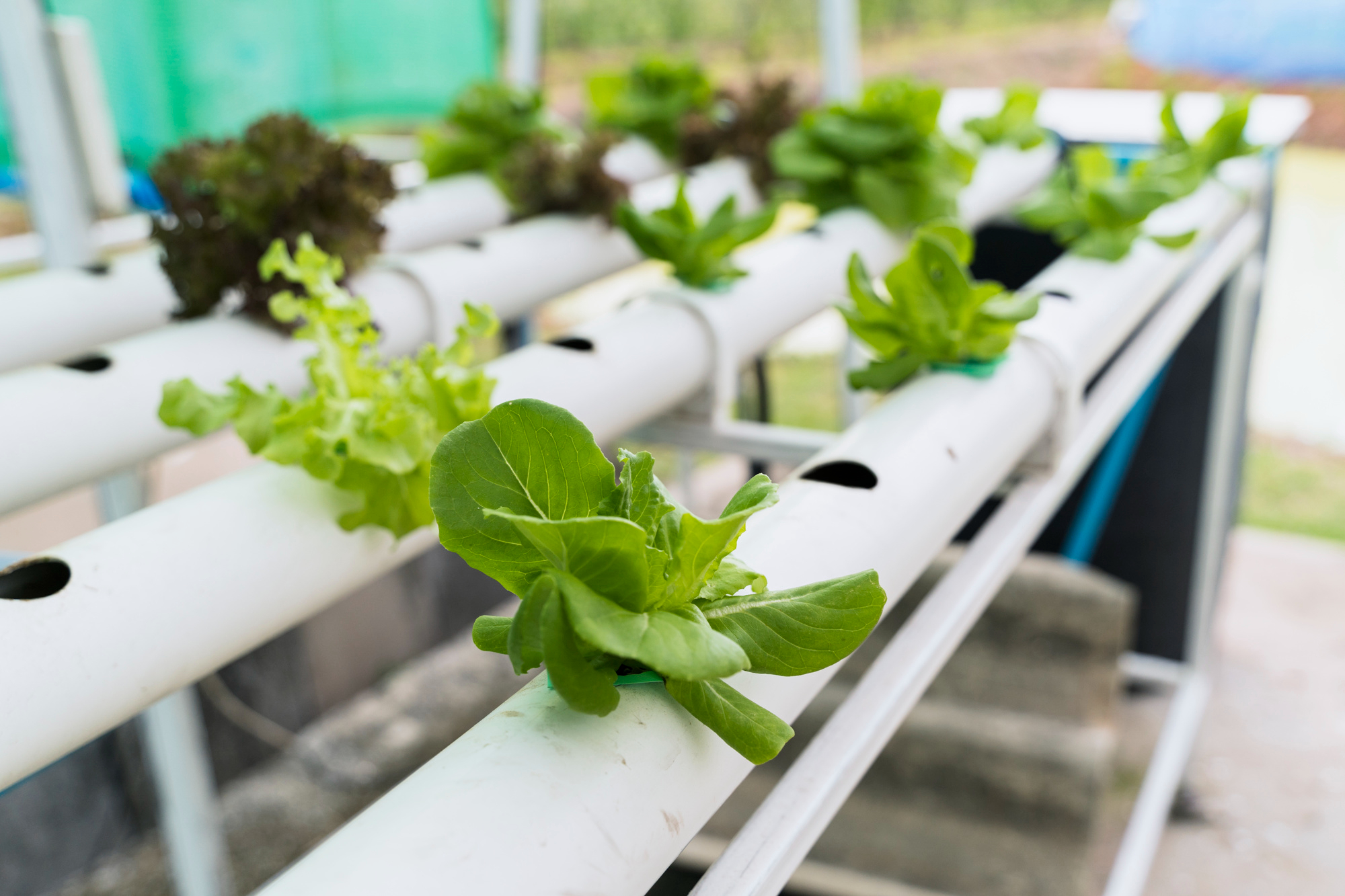
Our hydroponic agriculture program introduces sustainable farming techniques that require minimal space and water while maximizing food production.
Kakuma Refugee Camp is home to over 300,000 displaced people living in tents since 1990. Many of them are women and children with limited access to food, education, or an opportunity to earn a living.
Be part of something transformational and sustainable. Help displaced families reclaim their voices and shape their futures through creativity, community, and food security.
Computer and AI skills to join the digital world
Media literacy & storytelling for self expression
Hydroponic farming training to grow food for their consumption & community
Creative skills to transform their lives and communities
| Cookie | Duration | Description |
|---|---|---|
| cookielawinfo-checkbox-analytics | 11 months | This cookie is set by GDPR Cookie Consent plugin. The cookie is used to store the user consent for the cookies in the category "Analytics". |
| cookielawinfo-checkbox-functional | 11 months | The cookie is set by GDPR cookie consent to record the user consent for the cookies in the category "Functional". |
| cookielawinfo-checkbox-necessary | 11 months | This cookie is set by GDPR Cookie Consent plugin. The cookies is used to store the user consent for the cookies in the category "Necessary". |
| cookielawinfo-checkbox-others | 11 months | This cookie is set by GDPR Cookie Consent plugin. The cookie is used to store the user consent for the cookies in the category "Other. |
| cookielawinfo-checkbox-performance | 11 months | This cookie is set by GDPR Cookie Consent plugin. The cookie is used to store the user consent for the cookies in the category "Performance". |
| viewed_cookie_policy | 11 months | The cookie is set by the GDPR Cookie Consent plugin and is used to store whether or not user has consented to the use of cookies. It does not store any personal data. |